 03 9037 7010


I’m a mother, community builder, a business owner, and an audiologist with over 20 years’ experience. But more than that, I’m someone who deeply believes that everyone deserves to feel heard, connected, and included.
Casey Hearing was born from my own journey, building a life and a business from scratch, and seeing first-hand how easily people can become isolated when communication becomes hard. Hearing loss does not just affect ears, it affects confidence, relationships, identity, and dignity.
I work with people who want to fully participate in life again – older adults, busy professionals, families, and those who may have delayed seeking help because of stigma, fear, or “getting by.”
We don’t rush. We listen first. We see the whole person, not just an audiogram. Community, collaboration, and compassion sit at the centre of everything we do.
I am still driven by the same purpose – empowerment through connection. I am committed to breaking stigma around hearing loss. I will continue creating spaces where people feel safe, respected, and truly heard in clinic and in community.
If this is the year you choose connection over just coping, we are here.
— Khatija
Founder | Audiologist | Casey Hearing
This year, my focus is simple: making sure no one slips through the cracks. That means creating more touchpoints with existing clients, staying connected to how you’re really going with your ear and hearing health, and addressing small, preventable issues before they become bigger problems.
For a paperless clinic… we use a lot of paper. In 2026, I am committed to improving efficiencies so information can be captured digitally – reducing repetition, double handling, and admin overload. To support this, Casey Hearing will be moving to a new CRM in early February. This will help reduce double bookings, improve communication, and allow online bookings to flow directly into our system.
The goal? Less time on backend. More time with clients. Better continuity of care.
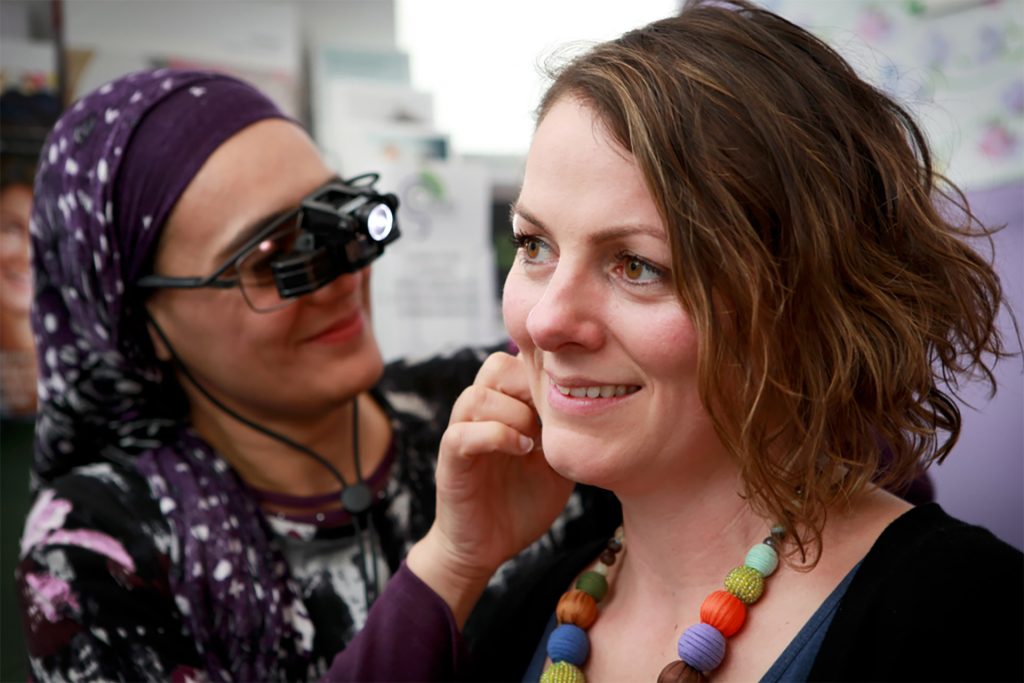

Summer is here! It’s the perfect time to enjoy all the activities you love. With your hearing aids, you can make the most of every moment — from family gatherings and outdoor concerts to beach trips and backyard barbecues.
With your hearing aids, you can fully enjoy the sounds of nature, from birds chirping to waves crashing. Make the most of your summer adventures with the gift of clear hearing.
Many modern hearing aids are compatible with smartphones, allowing you to stream music, take calls, and stay connected while on the go. Make sure to take advantage of these features for a seamless summer experience. The Australian summer can be tough on hearing aids. Heat, humidity, sweat, and moisture are all part of the season — and all potential challenges for your devices.
📦Store them safely overnight. Use a dehumidifier or drying kit to remove moisture build-up from the day.
🧽Wipe them down daily. Use a soft, dry cloth to remove sweat and oils, especially after outdoor activities.
☀Avoid direct heat. Don’t leave hearing aids in hot cars, direct sunlight, or near heating sources.
Keep them dry.Remove your hearing aids before swimming, showering, or heavy exercise. Consider a sweatband or headband if you’re active outdoors.
🔍Check for wax build-up. Summer activities can increase earwax production. Clean your devices regularly and book in for a professional clean if needed. If you notice any changes in performance or have concerns about moisture damage, don’t wait — bring them in for a check. A small issue now is much easier (and cheaper) to fix than a bigger problem later.
If you have any questions or need a tune-up for your hearing aids, don’t hesitate to reach out to us. We’re here to help you hear your best all summer long!

You might not think about it, but summer activities can significantly increase earwax buildup – and it’s more common than you’d expect.
Here’s why: Swimming, air conditioning, and increased use of earbuds or hearing aids all contribute to wax accumulation. When water gets trapped in the ear canal, it can push wax deeper. Air conditioning dries out the ear canal, triggering your body to produce more protective wax. And wearing devices in your ears for extended periods (especially in heat) can compact wax and prevent it from naturally working its way out. Add in dust from outdoor activities, increased sweating, and changes in humidity, and your ears are working overtime.
Signs you might need professional ear cleaning:
Feeling of fullness or blocked ears, muffled hearing, ringing or buzzing (tinnitus), discomfort or itching, difficulty hearing conversations clearly,feedback or whistling from your hearing aids.
Important: Never use cotton buds or try to remove wax yourself with objects — this usually makes things worse by pushing wax further in or damaging the delicate ear canal. If you’re experiencing any of these symptoms, it’s time for a professional clean. At Casey Hearing, we use safe, gentle methods to remove wax build- up and restore your hearing comfort.
Book an ear cleaning appointment today. Your ears will thank you – and you will be amazed at the difference it makes.
Tinnitus – that ringing, buzzing, or humming sound that no one else can hear – affects millions of people. For some, it’s a minor annoyance. For others, it is overwhelming and impacts sleep, concentration, and quality of life.
If you experience tinnitus, you’re not alone. And more importantly, you don’t have to just “live with it.“
What can help: Understanding the cause of your tinnitus is the first step. From there, we can explore management strategies including sound therapy, hearing aids (which can reduce the perception of tinnitus), relaxation techniques, and lifestyle adjustments.
If tinnitus is affecting your wellbeing, let’s talk. There are options, and you deserve support.

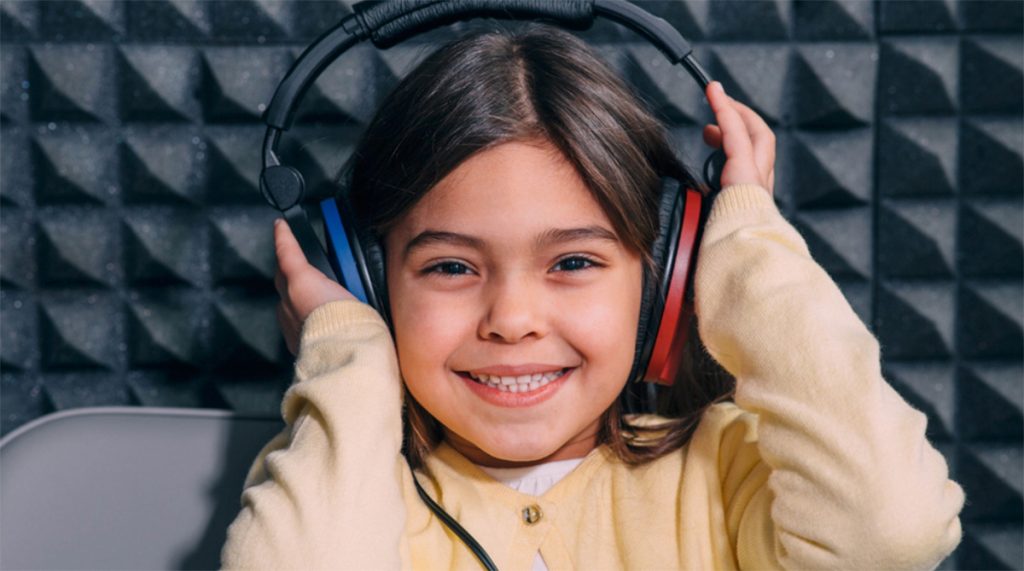
Every year for Hearing Awareness Week, we carry out hearing screenings at a local primary school.
Early detection of hearing loss in children is critical. Unidentified hearing issues can affect speech development, learning, social connection, and confidence. By bringing screenings directly into schools, we are helping to catch potential issues early and the school supports families in taking the next steps.
This aligns perfectly with the theme for World Hearing Day 2026, “From communities to classrooms: hearing care for every child” emphasising accessible, community-based hearing care. It’s about meeting people where they are – and making sure no child misses out on the sounds that matter. If you know a school or community group that would benefit from hearing screenings or education sessions, please get in touch. This is the work that matters most.
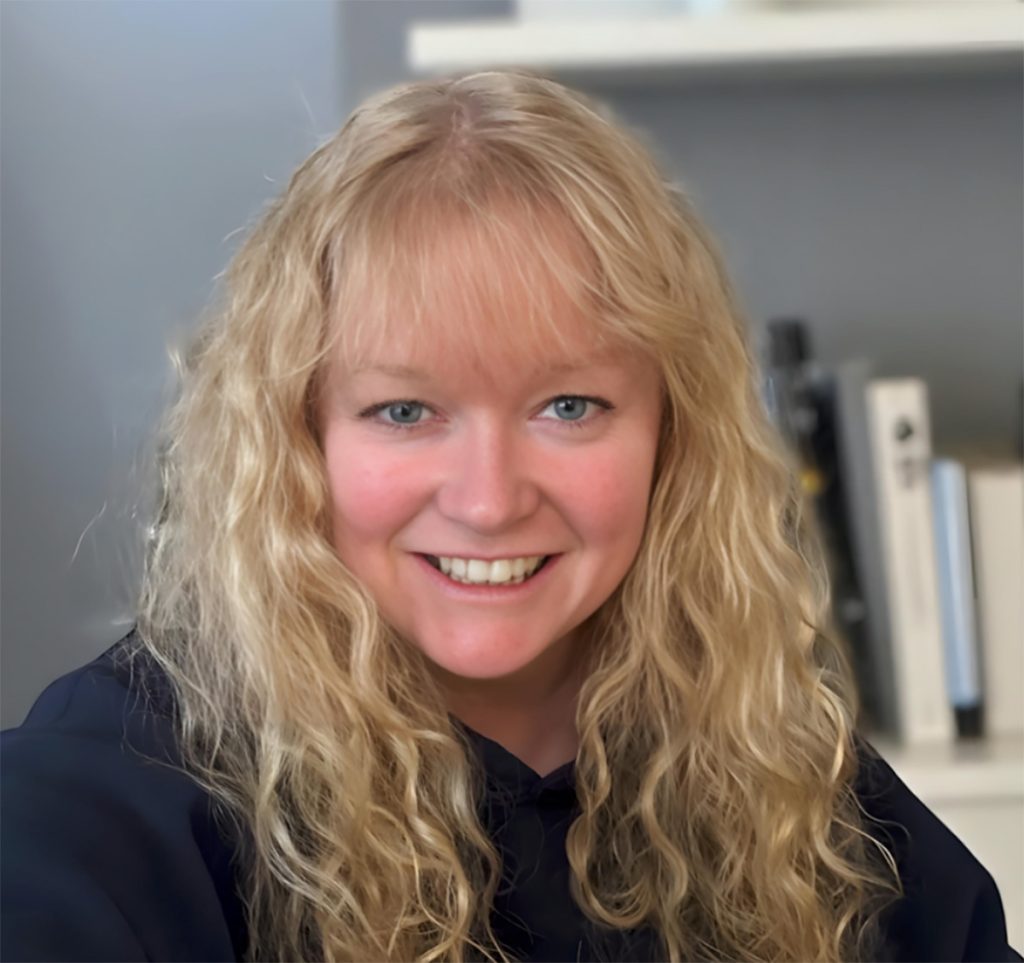
Going back to school as a mature age student has been one of the most empowering decisions of my life. It hasn’t always been easy balancing responsibilities, tackling new subjects, and adjusting to modern classrooms – but I’ve found strength in embracing the challenge.
As someone with hearing loss, I knew I’d need to approach study differently. Instead of seeing this as a barrier, I chose to see it as an opportunity to harness technology in ways that make learning more accessible and effective.
I use Phonak hearing aids alongside a Roger device, which helps me hear clearly in noisy classroom environments. To capture what I might miss, I set up my tablet with live transcription so I can read along in real time. After class, I run those transcripts through AI tools that create summaries, giving me a clear, concise version of what was covered. This not only ensures I don’t miss important details, but it also saves me time when I review later.
What could have been a limitation has turned into an advantage. My system helps me engage with the material in multiple ways – listening, reading, and reviewing – which strengthens my understanding. It is a reminder that accessibility tools aren’t just supports; they are strategies for success.
Being a mature age student also means I bring life experience, resilience, and determination into the classroom. My journey shows that it’s never too late to learn, to grow, and to follow a new path. With the right tools, the right mindset, and a willingness to adapt, barriers can become stepping stones. I hope my story encourages others – whether they’re managing a disability, returning to study later in life, or facing self-doubt – to believe that education is possible and worthwhile. Every step is progress, and every challenge can be overcome.
— Joanne, Casey Hearing client

